This article relates to Goal 17: Partnerships for the goals, one of the 17 UN Sustainable Development Goals. Goal icon by the United Nations. Emberoot is not affiliated with, or endorsed by, the UN.
Partnerships for the goals can sound like a job for presidents and bankers. In practice, SDG 17 needs people who can organise, explain data, build trust between groups and keep a project going after the launch photo. Students and young professionals can do a lot of that now, and many careers are built on it. This guide covers what young people can do about SDG 17 today and the study paths that lead to work on it.

Why SDG 17 needs young people
Young people are more connected than the rest of the population. ITU figures for 2025 show 82% of 15 to 24-year-olds online, compared with 72% of everyone else. That makes young people natural organisers and translators between groups. The goal also needs new energy: the UN’s SDG Report 2026 finds only just over a third of tracked targets on track or making moderate progress.
Things you can do now
Join or start a local group
The UN’s own Goal 17 page suggests joining or starting a local group that works on the goals in your community. That could be a school eco club, a university society, a youth wing of a local charity or a neighbourhood clean-up team. Partnership is the skill: getting a school, a shop and a council office to work on the same thing.
Learn to read the numbers
Much of Goal 17 is about data. Try the UN’s SDG data portal or your national statistics office website and look up one indicator for your country, such as internet use or tax revenue. Comparing two countries is a good school project and a skill employers value.
Speak up, politely and with evidence
The UN also suggests urging your government to work with businesses on the goals. Writing to an elected representative, joining a youth council or taking part in a model UN debate are all ways to practise. Keep it factual and respectful.
Staying safe while you take part
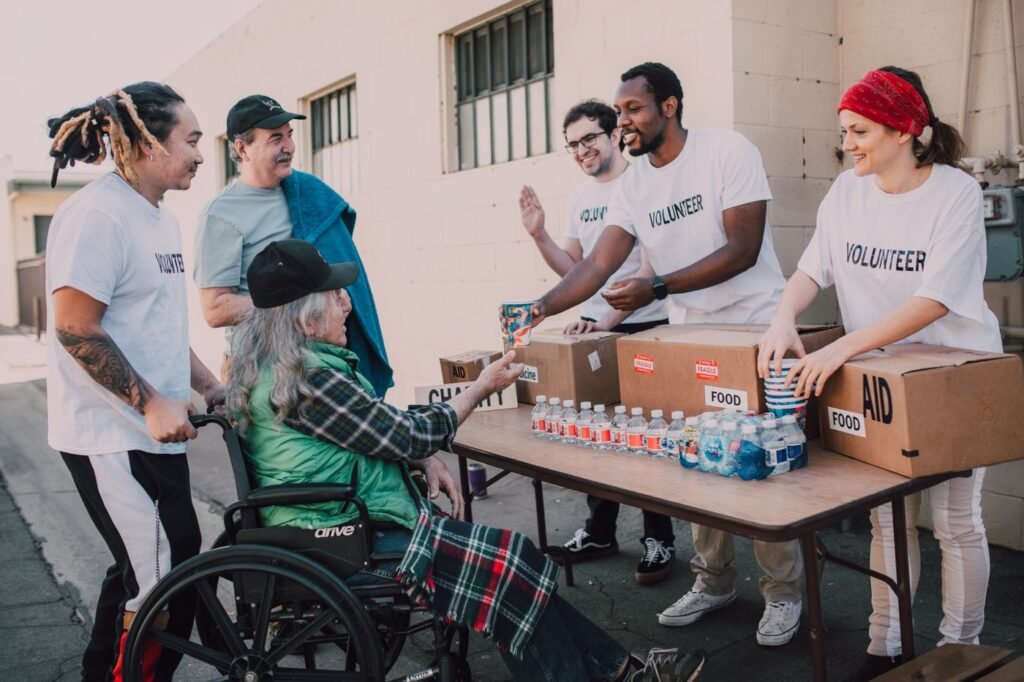
Volunteering and campaigning often happen online. Use privacy settings, never share your home address, school or phone number publicly, and be careful with fundraising requests from people you do not know. If an activity involves creating accounts, handling money or sharing personal data, involve a parent, guardian or teacher first. Good organisations will expect this and welcome it.
- Volunteer with known, registered groups
- Ask an adult before sharing personal details
- Check facts before you post them
- Sending money to unknown appeals
- Posting your school or address
- Meeting online contacts alone
Study and career paths linked to SDG 17
Goal 17 covers finance, trade, technology and data, so the routes in are broad. A few that connect directly:
- Economics and public finance: tax systems, aid, debt and budgets (targets 17.1 to 17.5). Roles include ministries of finance, development banks and research institutes.
- Statistics and data science: national statistics offices and international agencies need people to collect and analyse data (targets 17.18 and 17.19).
- International relations and law: trade rules, treaties and negotiation (targets 17.10 to 17.12).
- Computer science and engineering: open-source platforms such as DHIS2, which more than 80 countries use for national health data according to DHIS2, need developers and implementers.
- Project and partnership management: NGOs, social enterprises and companies all need people who can run a partnership well.
Say a 17-year-old in Nairobi enjoys maths and wants to help her city. A route through statistics or economics could lead to the national statistics office, a development bank or a fintech company, and the same skills would carry across all three. Many people in this field move between government, business and NGOs during their careers, which is itself a kind of partnership.
Languages, clear writing and comfort with spreadsheets help in every one of these. Talk to a teacher or careers adviser about subject choices, and look for internships or volunteering that let you see the work up close.
For young professionals in business
If you already work, ask whether your employer has a community partnership or volunteering scheme, and offer a skill: design, accounts, code, training. Small firms often welcome someone who will organise it. Our article on Goal 17 actions lists ideas, and the Global Goals section covers the other sixteen goals. If you are starting a venture with a social purpose, our strategy service can help you shape the plan.
Frequently asked questions
What can a student do for SDG 17?
A student can join or start a local group working on the goals, learn to read development data on the UN SDG data portal, take part in debates or youth councils, and volunteer with registered organisations. The key skill is partnership: bringing different groups together around one practical problem. Involve a parent or teacher for anything that needs accounts, money or personal details.
Which jobs work on SDG 17?
Jobs linked to SDG 17 include economists and public finance specialists, statisticians and data scientists, trade lawyers and negotiators, software developers who build open platforms, and partnership or project managers in NGOs, development banks, governments and companies. Many start with a degree in economics, statistics, law, international relations or computer science, plus internships or volunteering.
Is SDG 17 relevant if I do not want to work in development?
Yes. Almost every organisation works through partnerships, and the skills SDG 17 needs, such as data literacy, clear writing, negotiation and project management, are useful in business, technology and public service. You can also contribute as a volunteer, voter or employee by supporting fair supplier terms, honest reporting and community partnerships wherever you work.