This article relates to Goal 14: Life below water, one of the 17 UN Sustainable Development Goals. Goal icon by the United Nations. Emberoot is not affiliated with, or endorsed by, the UN.
Ocean-friendly business sounds like something for fishing fleets and beach resorts. In practice, almost every business touches SDG 14, life below water, through packaging, what goes down the drain, the seafood it serves or sells, and the shipping it relies on. This guide sets out practical steps a small or growing business can take, with the rules in India and the UAE as worked examples.
How a business affects SDG 14 life below water
Much ocean pollution starts on land. The UN estimates that between 5 and 12 million tonnes of plastic reach the ocean each year, and that about 89% of plastic litter on the ocean floor is single-use items such as bags. Target 14.1 also covers nutrient pollution, the fertiliser and sewage run-off that feeds algal blooms. Then there is fishing: in 2021, 35.5% of assessed fish stocks were overfished, according to the UN Sustainable Development Goals Report 2026.
Step 1: cut single-use plastic before the law makes you
Regulation is moving fast in two markets close to us. India banned a list of single-use plastic items from 1 July 2022 under the Plastic Waste Management Amendment Rules 2021, including plastic plates, cups, straws, cutlery, trays, stirrers and film wrapping on sweet boxes, according to the Press Information Bureau. Carry bags under 120 microns were banned from 31 December 2022.
In the UAE, Ministerial Decision No. 380 of 2022 banned single-use plastic shopping bags from 1 January 2024. A second phase from 1 January 2026 added beverage cups and lids, cutlery, plates, straws and stirrers, and polystyrene food containers, as Gulf News explains. A café or delivery kitchen that has already switched suppliers avoids last-minute costs and stock write-offs.
Start with an audit. List every single-use item you buy or give out, how many, and what it costs. Then remove what customers do not need (cutlery by default on delivery orders is a common one), switch what remains to reusable or compliant alternatives, and offer a small incentive for reusable cups.
Step 2: control what leaves your site
Grease, cleaning chemicals, dyes and microplastics from washing synthetic textiles all travel through drains to rivers and the sea. Follow local discharge rules, fit grease traps where needed, choose cleaning products with clear safety data, and train staff on spills. For manufacturers near the coast, wastewater treatment is often the biggest single lever.
Step 3: source seafood responsibly
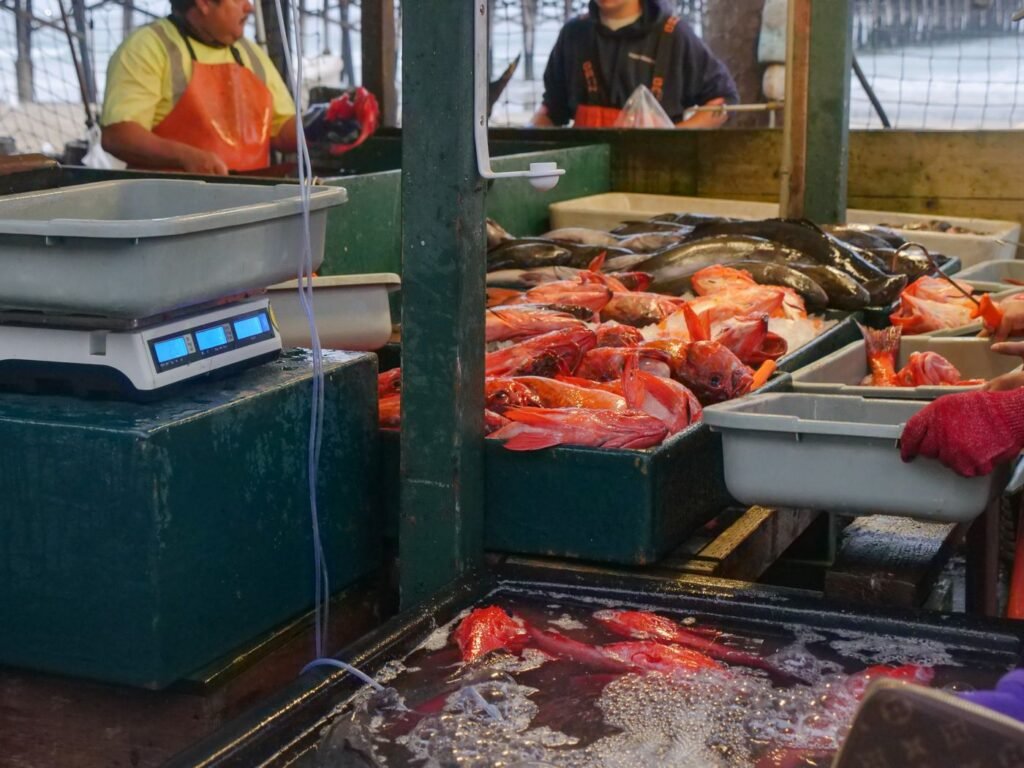
If you run a restaurant, hotel, grocery or food brand, ask suppliers three questions: what species is it, where was it caught or farmed, and how? Prefer suppliers that can show independently checked sustainability evidence and traceability back to the boat or farm. Illegal, unreported and unregulated fishing is hard to spot: a 2024 study in Nature, led by Global Fishing Watch, found that about 75% of the world’s industrial fishing vessels do not appear in public tracking systems.
- Know species, origin and method
- Ask for traceability records
- Rotate menus to less pressured species
- Buy whole fish and waste less
- Vague “ocean-friendly” claims
- Suppliers who cannot name the source
- Ignoring farmed fish feed
- Assuming local means sustainable
Step 4: support coastal ecosystems, carefully
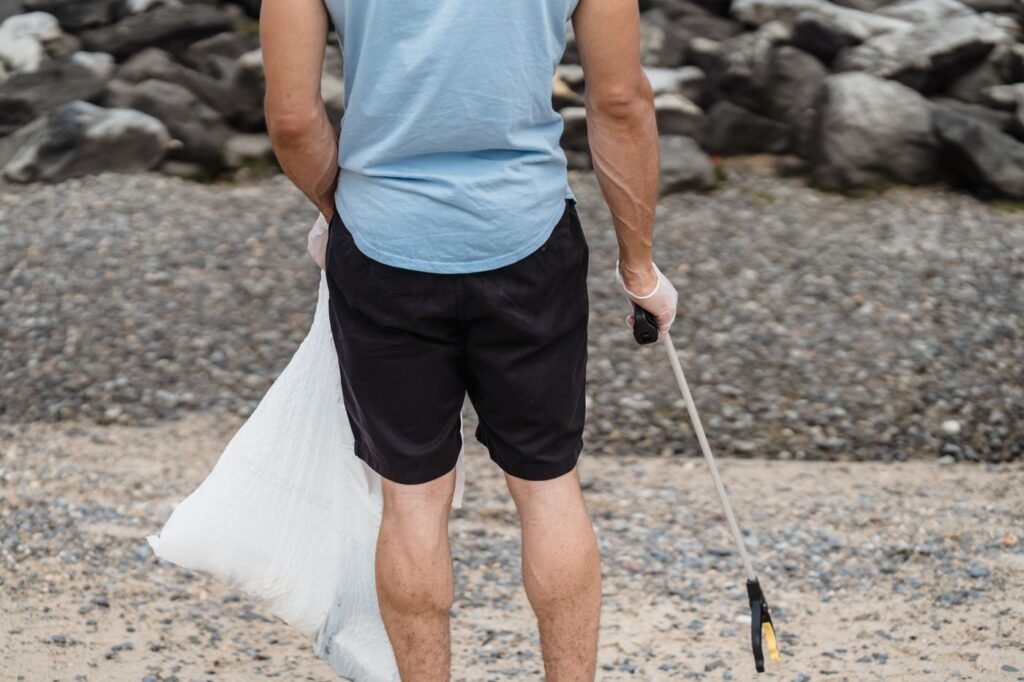
Coastal businesses, from dive shops to hotels, depend on healthy reefs, beaches and mangroves. Funding or joining restoration run by credible local groups helps. In the UAE, the national programme to plant 100 million mangroves by 2030 had reached 51% of its target by August 2026, according to Gulf News, and companies have joined as partners. Report what was planted and how much survived, not just what was promised.
Step 5: look along the supply chain
Shipping, ports and cold storage all affect the sea through fuel, spills, ballast water and waste. Ask logistics partners how they handle these and favour those who report it. Say a small seafood exporter in Kochi wants to show buyers in Dubai a clean record. A simple traceability log covering catch area, landing site, cold chain temperatures and shipping can answer most buyer questions. This is a hypothetical, but these are the questions buyers tend to ask.
Building that kind of log as a simple app for staff on the dock is a typical apps project. For the bigger picture, read the Goal 14 page or browse the Global Goals hub.
Frequently asked questions
How can a small business help protect the ocean?
Start with what you control: cut single-use plastic, keep chemicals, grease and waste out of drains, and ask seafood suppliers where and how their fish was caught or farmed. Coastal businesses can also support credible reef, beach or mangrove restoration. Measure what you change and report it plainly, without overstating results.
Which single-use plastics are banned in India and the UAE?
India banned items including plastic plates, cups, straws, cutlery, trays, stirrers and some wrapping films from 1 July 2022. The UAE banned single-use plastic bags from 2024 and added cups, lids, cutlery, plates, straws, stirrers and polystyrene food containers from 1 January 2026. Rules change, so check the latest official notices.
How do I know if seafood is sustainable?
Ask the species, the catch or farm location and the method used. Prefer suppliers who can show independent sustainability checks and trace fish back to the boat or farm. Be wary of suppliers who cannot name a source, since illegal fishing is hard to detect and many vessels are not publicly tracked.
This article is general information, not legal or professional advice.