The 17 Sustainable Development Goals are the world’s shared to-do list for 2030. They cover poverty, hunger, health, education, equality, water, energy, jobs, cities, climate, nature, peace and the partnerships needed to pay for all of it. You will see the colourful SDG wheel on company reports, university websites and government plans. This plain guide explains what the goals are, how progress is measured, where the world stands in 2026 and what the goals ask of businesses and people.
What are the Sustainable Development Goals?
World leaders met at UN headquarters in New York from 25 to 27 September 2015 and adopted Transforming our world: the 2030 Agenda for Sustainable Development. At its centre are the 17 goals. According to the UN, the agenda was adopted by all UN Member States and is a shared blueprint for peace and prosperity for people and the planet.
The goals apply to every country. A wealthy country has work to do on consumption, inequality and emissions, just as a poorer country has on poverty and services. The UN’s Goal 17 page puts it simply: the SDGs apply to all countries and aim to leave no one behind.
The 17 goals in one line each
- No poverty: end poverty in all its forms, including extreme poverty.
- Zero hunger: end hunger, improve nutrition and support sustainable farming.
- Good health and well-being: healthy lives for all ages, from mothers and babies to older people.
- Quality education: inclusive, good-quality education and lifelong learning.
- Gender equality: equal rights and opportunities for women and girls.
- Clean water and sanitation: safe water and decent sanitation for everyone.
- Affordable and clean energy: affordable, reliable and clean energy.
- Decent work and economic growth: productive jobs, fair work and steady economic growth.
- Industry, innovation and infrastructure: resilient infrastructure, inclusive industry and innovation.
- Reduced inequalities: less inequality within and between countries.
- Sustainable cities and communities: safe, inclusive and sustainable cities and towns.
- Responsible consumption and production: using resources well and cutting waste.
- Climate action: urgent action on climate change and its effects.
- Life below water: healthy oceans, seas and marine life.
- Life on land: forests, land, soils and wildlife on land.
- Peace, justice and strong institutions: peaceful societies, justice and accountable institutions.
- Partnerships for the goals: the money, technology, trade, data and partnerships to deliver the rest.
Each goal has its own page in our Global Goals section, with the key targets, verified facts and practical actions.
How progress is measured
Each goal breaks down into targets, and each target into indicators. The global indicator framework currently lists 251 indicators, 234 of them unique, and the UN Statistical Commission last refined it in March 2026. National statistics offices supply most of the data, and the UN publishes the results each year in the Sustainable Development Goals Report.
Follow-up is mainly the job of governments. The 2030 Agenda describes review processes as voluntary and country-led, with the UN High-Level Political Forum playing the central role in overseeing them at global level. The agenda is a political commitment backed by regular reporting, so public attention and reliable data matter a great deal.
Where the world stands in 2026
The Sustainable Development Goals Report 2026, released on 7 July 2026, gives a sober picture. Of 139 targets with enough data to assess trends, just over a third are on track or making moderate progress. Nearly half are moving too slowly, and some have gone backwards.
There is progress to point to. The same report notes that internet use rose from 40% of the world’s population in 2015 to 74%, and that access to clean water, electricity and health care has expanded for billions of people since 2015. Money is the main constraint: aid from the largest donors fell by a record 23% in 2025, and the annual SDG financing gap in developing countries is around $4 trillion. Our page on Goal 17 explains the financing side in more detail.
Common misunderstandings
- “The SDGs are only for poor countries.” They apply to every country.
- “They are only for governments.” Governments lead, but most targets need businesses, civil society and individuals too.
- “Using the SDG logo shows the UN approves of you.” It does not. The UN’s logo guidelines say the logo, icons and wheel must not be used in any way that implies UN endorsement of products or services.
What the goals ask of businesses and people
For a business, the useful question is which two or three goals your operations affect most, for better or worse. A food company touches Zero hunger and Responsible consumption and production. A software company touches Quality education or Decent work and economic growth through who it hires and trains. Every company touches Climate action. Our guide to working with the SDGs without greenwashing sets out a practical method for small firms.
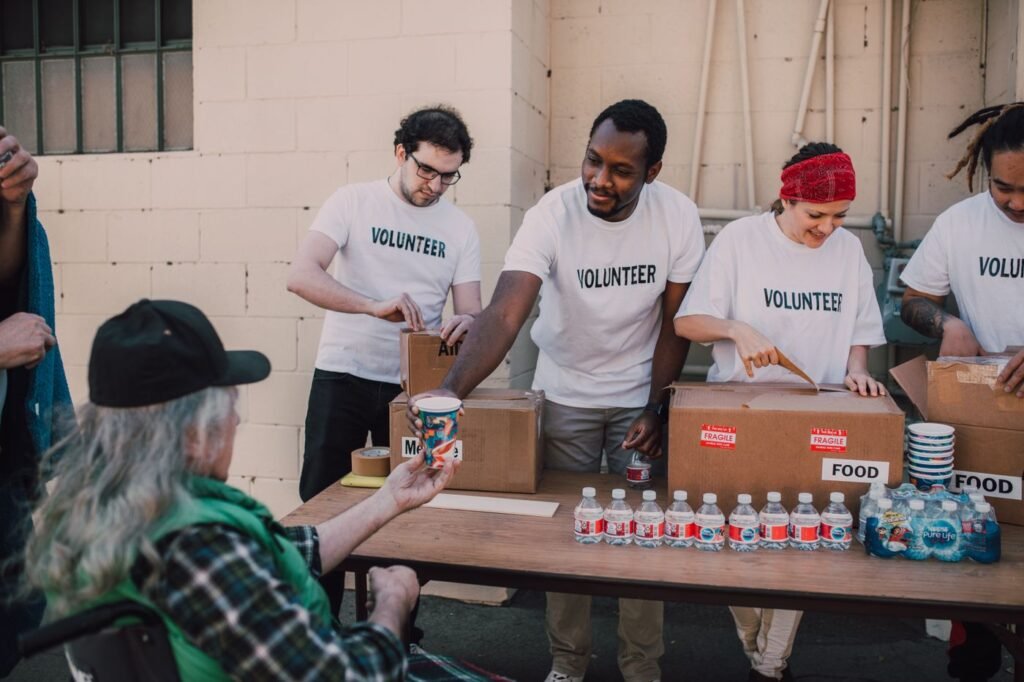
For people, the goals are a map of where effort counts. Volunteering, career choices, how you vote and what you buy all connect to specific targets. Each goal page in the Global Goals section lists concrete actions for individuals and young people.
Frequently asked questions
What are the 17 Sustainable Development Goals?
They are 17 goals adopted by all UN Member States in September 2015 as part of the 2030 Agenda for Sustainable Development. They cover poverty, hunger, health, education, gender equality, water, energy, work, infrastructure, inequality, cities, consumption, climate, oceans, land, peace and partnerships. Together they include 169 targets, set for the year 2030, and they apply to every country, rich or poor.
Are the SDGs on track for 2030?
No, not overall. The UN Sustainable Development Goals Report 2026 found that of 139 targets with enough trend data, about 36% were on track or making moderate progress, 49% were moving too slowly and 15% had fallen below their 2015 baselines. Some areas, such as internet access, have improved a lot, while financing for developing countries has become harder.
Can a company use the SDG logo?
Companies can use the SDG logo and icons for informational purposes, such as describing their SDG activities in a report, but must use the version without the UN emblem and follow the UN’s guidelines. They must not use it in a way that implies UN endorsement, on business cards or stationery, or inside their own logo. Commercial and fundraising uses need prior written permission.