This article relates to Goal 7: Affordable and clean energy, one of the 17 UN Sustainable Development Goals. Goal icon by the United Nations. Emberoot is not affiliated with, or endorsed by, the UN.
Progress on SDG 7, the Global Goal on affordable and clean energy, looks very different depending on where you stand. Some countries are adding solar capacity at record pace, while in sub-Saharan Africa only about one in five people had clean cooking in 2024. This piece looks at SDG 7 progress by region, with a closer look at India, the UAE and sub-Saharan Africa, using official and well-documented sources.
The global picture in brief
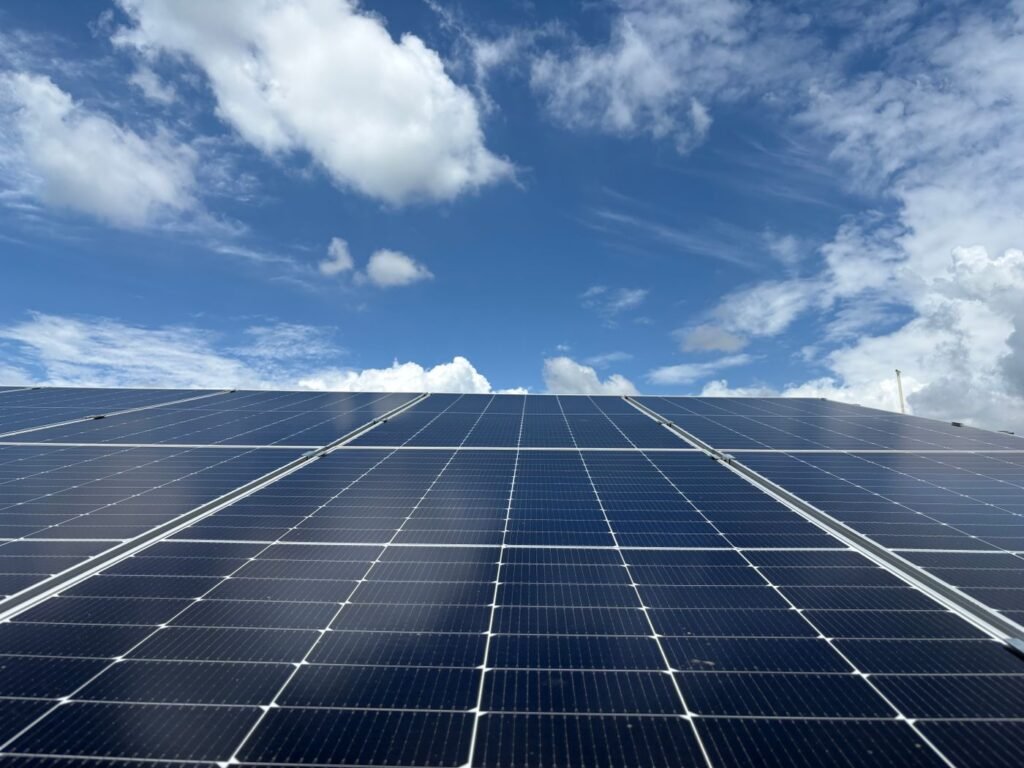
The UN SDG Report 2026 puts electricity access at 92% in 2024, with 655 million people still without it. Clean cooking access reached 75%. The gaps between income groups are wide: in 2024, high-income countries had about 1,224 watts of renewable capacity per person, upper-middle-income countries 808, lower-middle-income 117 and low-income 34.
India: fast growth in non-fossil capacity
India reached 50% of its installed electricity capacity from non-fossil sources in June 2025, five years ahead of the 2030 target in its climate commitment under the Paris Agreement. That is according to the Ministry of New and Renewable Energy, which reported non-fossil capacity of 262.74 GW out of 509.64 GW by November 2025, or 51.5%. Solar capacity alone was 132.85 GW, up more than 41% in a year.
Two caveats matter. Installed capacity is not the same as generation: solar panels produce power only in daylight, so the capacity share does not tell you how much of the electricity actually generated came from clean sources. And homes are a separate story from utility-scale projects. The PM Surya Ghar rooftop solar scheme aims to reach one crore (10 million) households by 2026-27, and the ministry recorded about 14.43 lakh rooftop systems installed between January and late December 2025.
The UAE: nuclear, solar and a climate summit
The UAE’s electricity mix has changed quickly. The four reactors at the Barakah plant came into full operation when unit 4 began commercial operation in September 2024, and the World Nuclear Association says the plant supplies about 25% of the country’s electricity with all four running. The same source puts solar at about 9% of UAE electricity in 2023.
The UAE also hosted COP28 in Dubai in 2023, where nearly 200 countries pledged to triple global renewable capacity and double the rate of energy efficiency improvement by 2030. The IEA tracks progress on those pledges: about 700 GW of renewable capacity was added worldwide in 2024, a record, but efficiency improved only around 1%, far short of the 4% a year needed.
Sub-Saharan Africa: the biggest gap
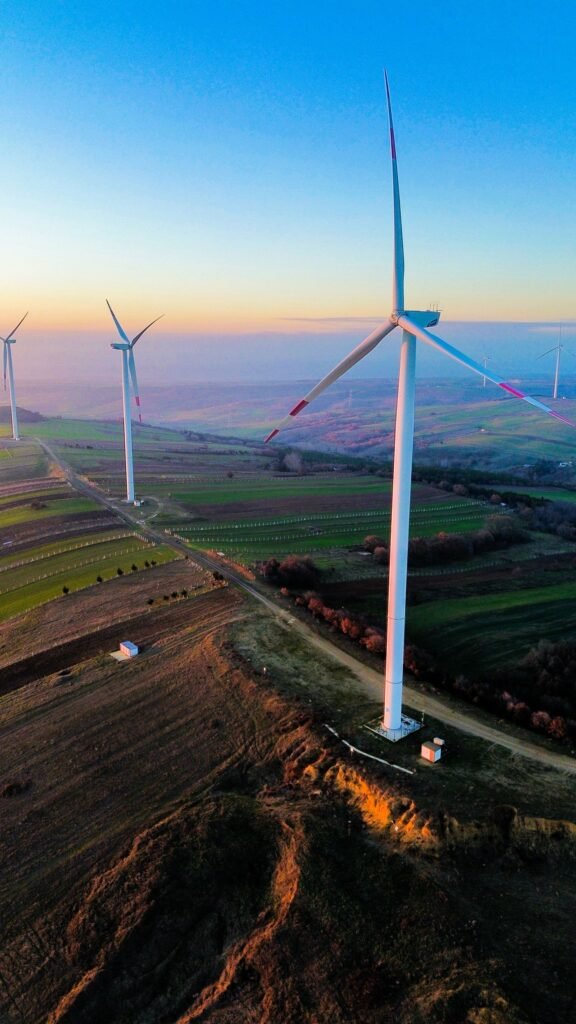
Sub-Saharan Africa has the widest gaps. Clean cooking access there was only 22% in 2024, against 75% worldwide. The World Bank and the African Development Bank launched Mission 300 to connect 300 million people in the region by 2030, with the World Bank committing to 250 million and the AfDB to 50 million. In October 2026, World Bank Group president Ajay Banga said 64 million people had been connected so far, as reported by the Ghana News Agency.
Much of that work relies on a mix of grid extension, mini-grids and stand-alone solar, the same least-cost logic that planning tools such as the World Bank’s Global Electrification Platform model. Money remains the constraint. International public finance for clean energy in developing countries was $24.6 billion in 2024, below the 2016 peak, and flows to the least developed countries fell 11%.
East Asia and the jobs question
China is by far the largest employer in renewables. IRENA’s job creation data put China’s renewable energy employment at 7.4 million in 2023, about 45% of the world total, with India at slightly more than 1 million. The IRENA and ILO 2025 review estimates the global total at at least 16.6 million. Where the equipment and the jobs sit is part of the SDG 7 story, because it decides which economies gain as the energy system changes.
What the comparison shows
Countries with money and grids are adding renewables quickly; the hard part for them is efficiency and replacing fossil generation, not access. Countries without them are still working on access itself, and need finance more than anything else. For businesses that work across markets, from Mumbai to Dubai to Nairobi, that means the same SDG 7 commitment looks different in each place. Our Goal 7 page has practical steps, and if you are planning a market entry where energy cost or reliability shapes the business model, our strategy work can help you think it through.
Frequently asked questions
Which region is furthest behind on SDG 7?
Sub-Saharan Africa has the widest gaps. Only 22% of its population had clean cooking access in 2024, against 75% worldwide, and it is the focus of the Mission 300 electrification drive. Renewable capacity per person in low-income countries was about 34 watts in 2024, compared with about 1,224 in high-income countries, according to the UN SDG Report 2026.
How is India doing on SDG 7?
India reached 50% of installed power capacity from non-fossil sources in June 2025, five years ahead of its 2030 target, and had about 132.85 GW of solar by November 2025. Capacity is not generation, though, and the PM Surya Ghar rooftop scheme is working towards its aim of one crore households by 2026-27.
What did COP28 agree on energy?
At COP28 in Dubai in 2023, nearly 200 countries pledged to triple global renewable energy capacity and double the rate of energy efficiency improvement by 2030. The IEA reports record renewable additions of about 700 GW in 2024, but energy intensity improved only about 1% that year, against more than 4% needed.