This article relates to Goal 6: Clean water and sanitation, one of the 17 UN Sustainable Development Goals. Goal icon by the United Nations. Emberoot is not affiliated with, or endorsed by, the UN.
Clean water and sanitation can feel like problems for governments and engineers. Young people have more room to help than that suggests. SDG 6, the UN goal on clean water and sanitation, aims for safe water, toilets and hygiene for everyone by 2030, and in 2024 about 2.1 billion people still lacked safely managed drinking water, according to WHO and UNICEF. This guide covers what students and young professionals can do, how to do it safely, and which study and career paths lead into water work.
Clean water actions for young people at home
Start with your own habits, because they add up and they are easy to measure.
- Turn taps off while brushing teeth or soaping hands, and take shorter showers.
- Report leaks. A dripping tap or running toilet at home or school wastes water day and night. Tell an adult who can get it fixed.
- Do not pour oil, paint or medicines down the drain. Ask how they should be disposed of locally.
- Wash hands with soap. Basic hygiene is part of target 6.2, and 1.7 billion people still lack it at home.
At school or college
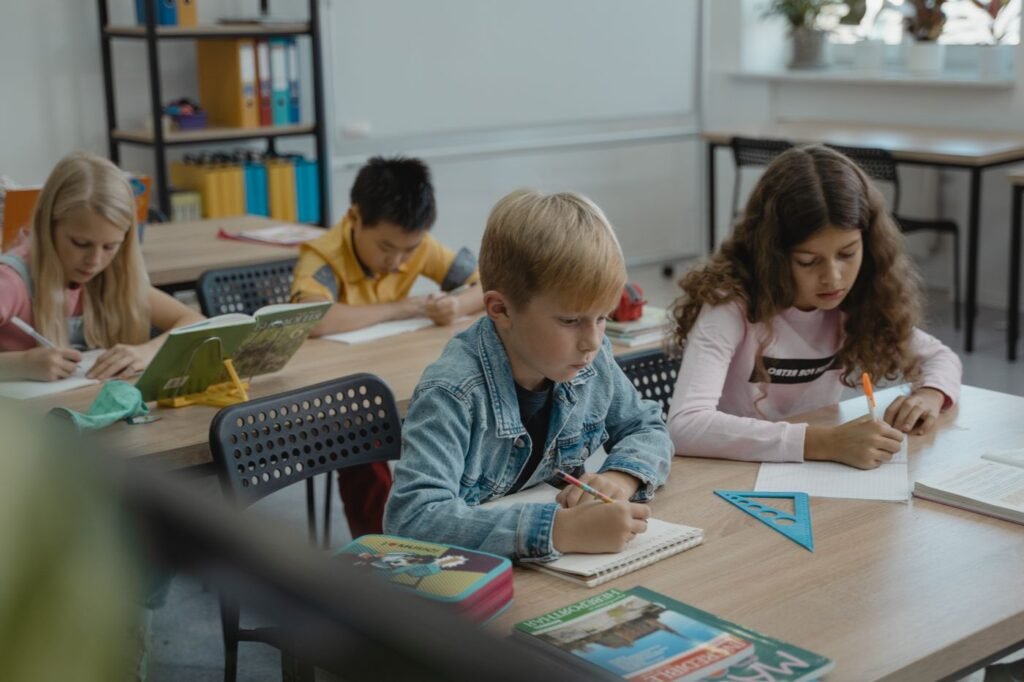
A water audit is a good group project. With a teacher, count the taps, toilets and drinking points in your school, note which ones leak or are broken, and check that there is soap at every handwashing point. Present what you find to the head teacher or student council with simple suggestions.
Ask about menstrual health facilities too. On the UN World Toilet Day page, WHO and UNICEF data show that one in five adolescent girls aged 10 to 19 shares unhygienic toilets with other families or has to go in the open, and fewer than one in three schools worldwide have menstrual waste bins in girls’ toilets. Clean, private toilets help girls stay in school.
Never drink from, or test, water from rivers, ponds or unknown taps without an adult. Use gloves and follow your teacher’s instructions for any water testing kit, and keep personal details out of any survey you share online.
Try a simple experiment
Want to see how much a leak wastes? Put a measuring jug under a dripping tap at home for ten minutes, with permission from whoever looks after the house, then multiply to get litres per day and per year. It is safe, cheap and makes a strong point in a school presentation. You can also compare how much water a running tap uses while brushing teeth against a filled cup. Write down your method and results so others can repeat them, which is how real water audits work too.
Join the global days
Two UN days give you a reason to act and a ready-made theme. World Water Day is on 22 March, and its 2026 theme was “Where water flows, equality grows”, about the links between water, women and gender equality. World Toilet Day is on 19 November. Schools and clubs can run a talk, a poster campaign or a clean-up on those dates. If you post about it online, ask a parent or teacher to help set up the account and keep members’ personal details private.
Study and career paths linked to SDG 6
Water work needs many kinds of people. Some paths to explore:
- Civil and environmental engineering: designing water supply, sewers and treatment plants.
- Chemistry, microbiology and lab science: testing water quality, a growing need as more countries monitor their rivers and lakes.
- Hydrology, geography and earth science: understanding rivers, rainfall and groundwater.
- Public health and nursing: preventing disease through sanitation and hygiene.
- Data science, GIS and software: mapping water points, building dashboards and analysing satellite images.
- Plumbing and skilled trades: installing and repairing the pipes and fittings that keep water flowing.
- Policy, economics and law: water pricing, regulation and agreements between countries that share rivers.
- Urban planning: designing cities that handle floods, drought and growth.
Women are under-represented in government water and sanitation jobs. In 79 countries, women held fewer than half of government WASH positions, according to 2022 WHO and UN-Water data cited by the UN. That is a gap young women can help close.
Keep going
The UN’s Goal 6 summary says the world is not on pace for sustainable water management until at least 2049. Steady local action still counts. Read the Goal 6 page for the targets in plain English and explore the other goals in the Global Goals section. For articles on tech and business careers, see our Insights. If you are a young founder building a water or sanitation product, our technology advice service starts with a free 30-minute call.
Frequently asked questions
What can students do to help with clean water?
Students can save water at home, report leaks, keep oil and chemicals out of drains and wash hands with soap. At school, they can run a water and toilet audit with a teacher, check for soap and menstrual bins, and organise activities on World Water Day (22 March) or World Toilet Day (19 November). Any online posts should be set up with an adult.
What careers help achieve SDG 6?
Careers linked to SDG 6 include civil and environmental engineering, chemistry and lab science for water testing, hydrology, public health, data science and GIS, plumbing and skilled trades, policy and law, and urban planning. In 79 countries, women hold fewer than half of government WASH positions, so the field needs more of them.
What is the theme of World Water Day 2026?
The theme of World Water Day 2026 is “Where water flows, equality grows”. It looks at the relationship between water, women and gender equality, the link between SDG 6 and SDG 5. World Water Day is held every year on 22 March, and schools and clubs often use it for talks and campaigns.