This article relates to Goal 4: Quality education, one of the 17 UN Sustainable Development Goals. Goal icon by the United Nations. Emberoot is not affiliated with, or endorsed by, the UN.
SDG 4, the UN goal on quality education, is one that young people can work on directly, because you are inside the system it is trying to improve. You know which lessons make sense and which do not, who is struggling and who has stopped coming. About 754 million adults worldwide could not read or write in 2024, according to the UN’s Goal 4 data, and many children finish primary school without reading well. Here are practical things students and young professionals can do, and the study and career paths linked to this goal.

Things you can do for SDG 4 now
Read with someone younger
Reading aloud for ten minutes a day with a younger brother, sister, cousin or neighbour is one of the simplest ways to help. Let them choose the book, ask what they think will happen next, and do not worry about getting every word right. In rural India, the ASER 2024 survey found that only 23.4 per cent of Class 3 children could read a Class 2 text, so early reading help at home makes a difference.
Help classmates and tutor safely
Explaining a topic to a friend is also one of the best ways to learn it yourself. Many schools run peer tutoring or homework clubs. If you want to tutor younger children outside school, do it through your school or a recognised organisation with adult supervision, and talk to a parent or teacher first.
Make your school more inclusive
Target 4.5 is about equal access for children with disabilities and others who are often left out. Notice who finds it hard to join in: a new student, someone who uses a wheelchair, a classmate still learning the language. Small acts, like sitting with them or telling a teacher about a barrier, count.
- Read with a younger child for ten minutes a day
- Tutor through your school or a supervised programme
- Ask a parent or teacher before joining online platforms
- Sharing your address, phone number or school online
- Meeting people from online study groups alone
- Paying for courses without an adult checking them
Keep learning, safely online
Lifelong learning is part of SDG 4. Libraries, free courses from reputable universities and national platforms such as India’s DIKSHA offer good material at no cost. In 2024, ASER found that almost 90 per cent of 14 to 16 year olds in rural India had a smartphone at home, which opens up a lot of learning, and some risks.
Ask a parent, carer or teacher before creating accounts, especially where a site asks for personal details or payment. Use strong passwords, keep your profile private, and never share your address, school or phone number with people you meet online.
Volunteer and speak up
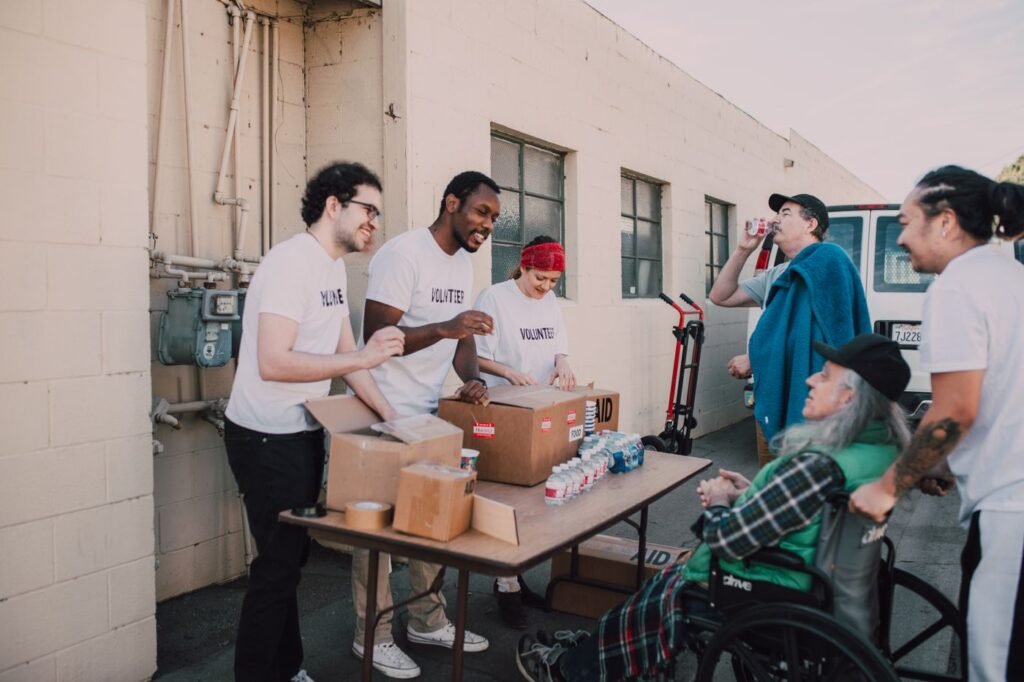
Many organisations run supervised volunteering for young people, such as reading programmes, book drives and library help. Choose established groups your school or family knows. Student councils and youth forums are also places to raise issues such as broken toilets, missing books or bullying. These are real SDG 4 issues: the UN reports that more than a fifth of primary schools worldwide lack electricity, safe water or basic sanitation.
Study and career paths linked to SDG 4
Education needs far more qualified people than it has. The UN’s 2026 SDG report found that about one in five teachers worldwide lacked national minimum qualifications in 2024, rising to between 30 and 40 per cent in sub-Saharan Africa. That points to steady demand for trained teachers and for people who support them.
- Teaching: early years, primary, secondary, special educational needs and vocational teaching. Most countries require a recognised teaching qualification.
- Support roles: school counselling, speech and language therapy, librarianship and teaching assistance.
- Learning design and EdTech: instructional design, educational content writing, software development and user research for learning products.
- Research and policy: education research, assessment, data analysis and roles in government and NGOs.
- Training at work: corporate learning, apprenticeship coordination and skills programmes.
Skills from many fields carry over. A developer who builds an app that works offline, or a designer who makes lessons clear on a small screen, supports SDG 4 as much as many classroom roles. To see how digital products are planned and built, browse our insights.
Small actions add up
You do not need to wait until you have a job to contribute. Reading with a child, helping a classmate and pushing for a safer school all move real targets. See the full list of targets and data on our Goal 4 page, and explore the other 16 goals on the Global Goals hub.
Frequently asked questions
How can students help achieve SDG 4?
Students can read with younger children, help classmates through peer tutoring, include students who are often left out, volunteer with supervised reading or library programmes, and raise problems such as missing books or unsafe toilets through student councils. Keep learning outside class using libraries and reputable free courses, with a parent or teacher’s help for online accounts.
What careers are linked to SDG 4?
Teaching at any level is the most direct, along with special educational needs support, counselling and librarianship. Instructional design, educational content, EdTech software development and user research also link closely, as do education research, policy and assessment. The UN reports one in five teachers lacked minimum qualifications in 2024, so trained teachers remain in demand.
Is it safe for teenagers to join online study groups?
It can be, with care. Use groups run by your school or a well-known platform, ask a parent or teacher before signing up, keep your profile private and never share your address, phone number or school. Do not meet people from online groups alone, and tell a trusted adult if anyone makes you uncomfortable.