
This article relates to Goal 12: Responsible consumption and production, one of the 17 UN Sustainable Development Goals. Goal icon by the United Nations. Emberoot is not affiliated with, or endorsed by, the UN.
For a small business, SDG 12 is the most practical of the Global Goals. It asks for less waste, smarter use of materials and honest information, and each of those usually saves money. This guide sets out SDG 12 steps for small businesses across operations, suppliers, products and reporting, at a scale a team of five or fifty can manage.

What SDG 12 means for a business
The SDG 12 targets cover resources, food waste, chemicals, waste reduction, company reporting, public procurement and public awareness. Target 12.6 speaks to companies directly, encouraging them to adopt sustainable practices and include sustainability information in their reporting. You can read every target in plain English on our SDG 12 page.
Step 1: measure what you throw away
You cannot reduce waste you have not counted. For a week, record what leaves the business by type: food, packaging, paper, electronics, unsold stock. Weigh it if you can. This is the baseline for everything else.
Food businesses have the biggest opportunity. UNEP’s Food Waste Index Report 2024 found food services accounted for 28% of the 1.05 billion tonnes of food wasted in 2022, and retail for 12%. A café or caterer that tracks waste by item, by day, can adjust ordering and portion sizes within weeks.
Step 2: work with suppliers on packaging and materials
Ask suppliers for reusable crates or returnable packaging, bulk deliveries and fewer mixed materials, which are harder to recycle. Where regulation applies, it may already push this way. In India, the Plastic Waste Management (Amendment) Rules, 2022 set extended producer responsibility for plastic packaging, and producers, importers and brand owners register on the Central Pollution Control Board’s EPR portal for plastic packaging. In Dubai, single-use plastic bags were banned from 1 January 2024, and from 1 January 2026 the ban covers items such as plastic plates, cutlery and beverage cups, according to Dubai Municipality. Check what applies where you trade before you reorder stock.
Step 3: design products that last and come back
If you make or sell physical products, think about repair, refills and take-back. Spare parts, repair guides and a simple trade-in scheme keep products in use and bring customers back. The European Union’s Ecodesign for Sustainable Products Regulation, in force since 18 July 2024, is moving the EU market this way, with a Digital Product Passport for sustainability information and a ban on destroying unsold textiles and footwear. If you sell into Europe, expect buyers to ask about durability and materials.
Unsold stock is a design and forecasting problem before it is a waste problem. Smaller, more frequent orders often cost less than discounting or discarding.
Step 4: handle e-waste and chemicals properly
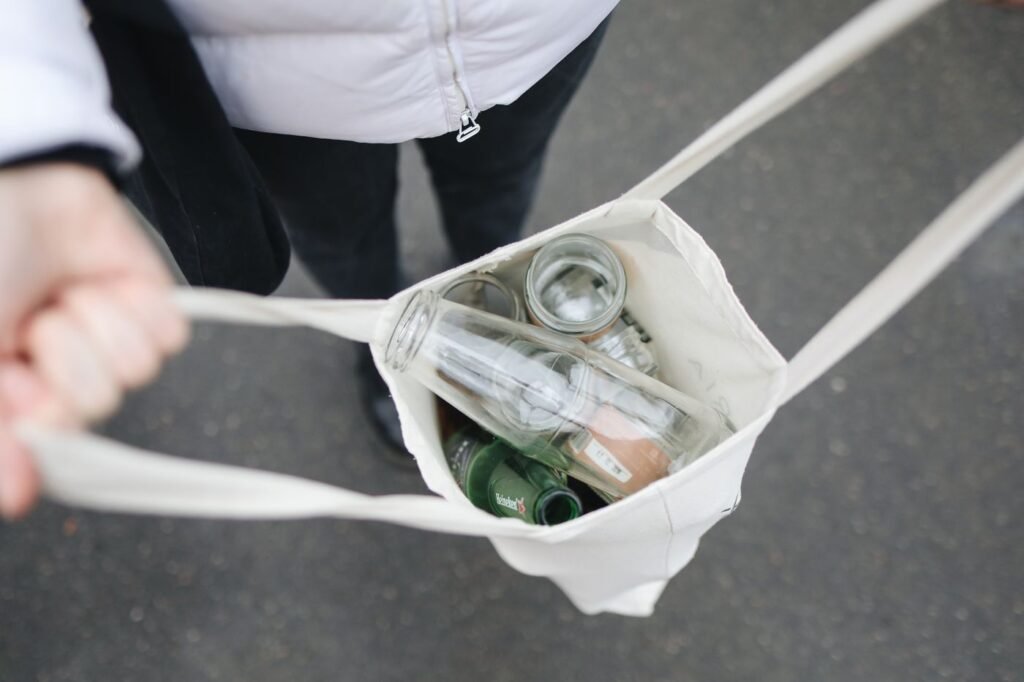
Old laptops, phones and printers are a growing problem: the Global E-waste Monitor 2024 found only 22.3% of the 62 million tonnes generated in 2022 was documented as properly collected and recycled. Keep devices longer, buy refurbished where it fits, wipe data securely and use an authorised recycler with a certificate. Store cleaning products, inks and solvents safely and dispose of them through approved routes, as target 12.4 expects.
Step 5: report what you can prove
Large companies are moving fast on reporting: the UN’s SDG 12 progress data for 2025 shows that 96% of the 250 largest companies by revenue reported on sustainability. Small firms are increasingly asked the same questions by those companies when they buy from you. Keep a short annual note with real numbers: kilograms of waste, share recycled, packaging changes, devices refurbished. Avoid vague claims such as “eco-friendly” without evidence, and do not suggest the UN endorses your business.
- Weigh waste before setting targets
- Ask suppliers about returnable packaging
- Offer repair or take-back where it fits
- Report figures you can show
- Buying green-labelled products without checking claims
- Recycling as the only waste plan
- Destroying unsold stock to protect price
- Using SDG logos as a badge
A realistic example
Say a bakery in Abu Dhabi with eight staff weighs its daily leftovers for two weeks. It finds that most waste comes from two types of bread baked in the afternoon. It cuts the afternoon batch, sells end-of-day items at a discount through an app, and donates the rest to a local food charity. It also moves to returnable crates with its flour supplier. Each step is cheap, and each produces a number it can report.
If you want to automate the tracking (stock, waste logs, supplier data) so reporting takes minutes rather than days, our automation service starts with a free 30-minute call. See the wider picture on our Global Goals hub.
This is general information, not legal advice. Check the current rules with the relevant authority.
Frequently asked questions
How can a small business support SDG 12?
Start by measuring the waste you produce, then cut the biggest sources: over-ordering, single-use packaging and unsold stock. Work with suppliers on returnable packaging, offer repair or take-back where it fits, recycle electronics through authorised recyclers and keep a short annual record of what changed. These steps usually lower costs as well as waste.
Do small businesses have to follow plastic rules?
It depends on where you trade and what you do. In India, plastic packaging producers, importers and brand owners have extended producer responsibility duties under the 2022 amendment rules. In Dubai, bans on single-use bags and certain plastic items apply in phases from 2024 to 2026. Check the rules for each place you sell or operate.
What should a sustainability report include?
For a small business, keep it short and factual: the waste you generate by type, the share reused or recycled, changes to packaging and suppliers, devices refurbished or recycled, and targets for next year. Use numbers you can show, explain how you measured them and avoid general claims that you cannot support with evidence.